Paid Garage or Free Street Parking: What Should Renters Choose?
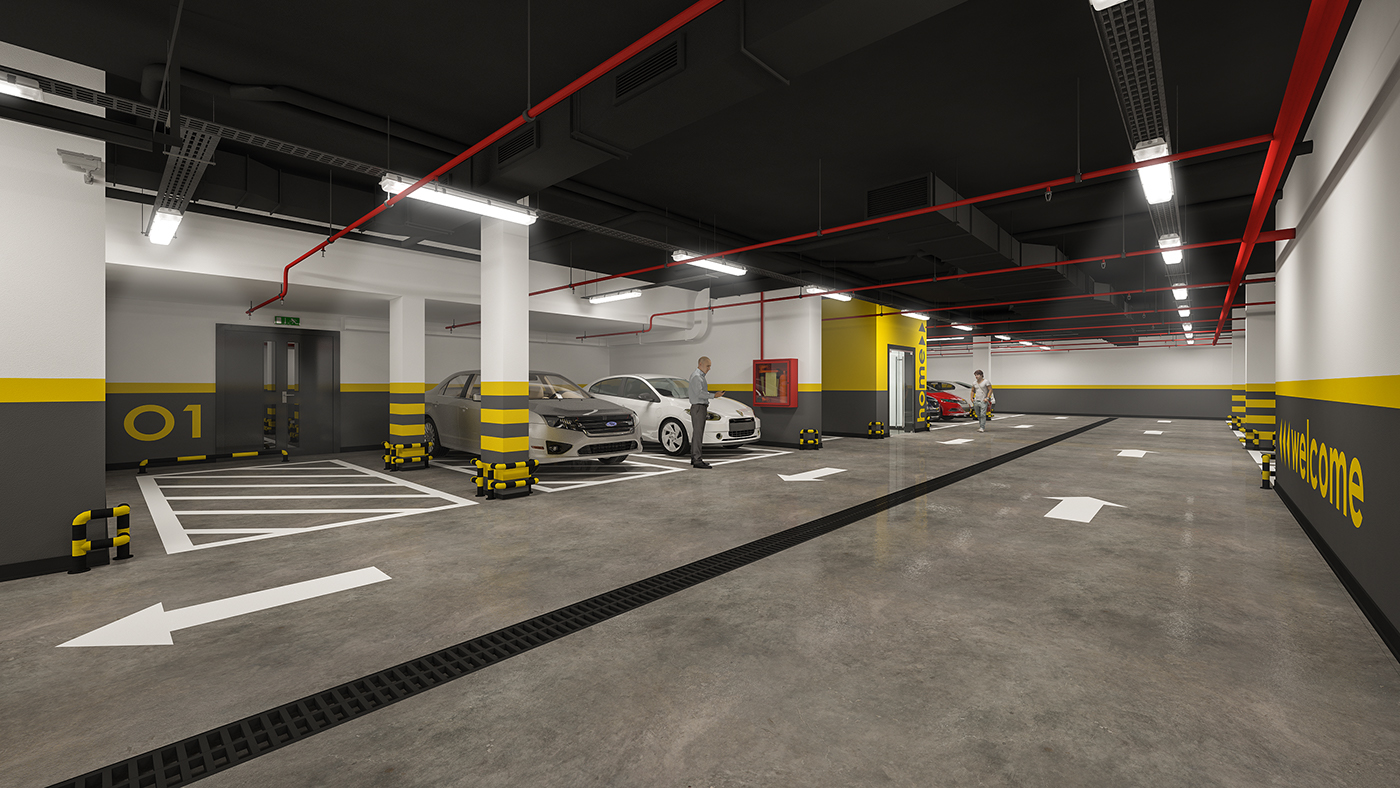
One of the most important decisions for renters with a car is choosing between a paid garage offered by the apartment complex and a free street parking spot. The right choice depends on location, safety, vehicle value, weather conditions, and your daily routine. Below is a detailed comparison to help you decide what works best for your situation.
1. Safety and Security
Paid garages usually offer higher security with controlled access, good lighting, and sometimes surveillance cameras. This is especially valuable in dense urban areas like Los Angeles, CA (90014) or Chicago, IL (60605), where car break-ins are more common.
Street parking in some suburban locations — for example, Plano, TX (75024) or Cary, NC (27513) — can be relatively safe, but security still depends heavily on the neighborhood and time of day.
2. Weather Protection
If you live in regions with harsh winters such as Minneapolis, MN (55414) or Buffalo, NY (14222), a garage protects your car from snow, ice, hail, and road salt. This not only saves time in the morning but also helps maintain your vehicle’s condition.
In hotter areas like Phoenix, AZ (85008) or Las Vegas, NV (89119), garages protect your car from extreme heat, UV damage, and interior fading.
3. Convenience and Daily Routine
A paid garage usually guarantees a fixed parking spot close to your unit. For renters with tight schedules, late shifts, or families, this reliability saves time and reduces stress.
Street parking can be unpredictable: you may find a spot close to the building on some days and several blocks away on others. This inconsistency is more noticeable in busy areas like San Francisco, CA (94110) or Boston, MA (02115).
4. Cost Considerations
Paid garages range from $50 to $250+ per month depending on the city. For example, garages in Seattle, WA (98121) can cost $150–$200 monthly, while in smaller markets like Tulsa, OK, prices may stay under $60.
Street parking is free — but may involve hidden “costs” such as parking tickets, towing risks during street cleaning, and potential damage from passing cars.
5. Vehicle Type
Owners of newer or expensive vehicles (SUVs, electric cars, luxury models) often benefit more from a protected garage space.
A garage can also be essential if your vehicle requires regular charging, since many modern complexes in places like San Jose, CA (95112) now include EV charging stations inside the garage area.
6. Neighborhood Rules & Seasonal Restrictions
Some cities enforce seasonal restrictions. For example:
- Chicago, IL — winter overnight parking bans on many streets.
- Denver, CO — snow emergency routes where parking is prohibited during storms.
- New York, NY — frequent street-cleaning schedules requiring car relocation.
In such locations, street parking can become inconvenient or even costly in the long run.
7. Lifestyle Factors
If you rarely use your car and primarily rely on public transport or biking — common in areas like Portland, OR (97214) — a street spot may be completely sufficient.
But if you commute daily, especially during early or late hours, the predictability of a paid garage becomes much more valuable.
Conclusion: Which Option Should You Choose?
Both options have advantages, but your decision should depend on:
- The neighborhood’s safety level
- Local weather conditions
- Your car’s value and age
- Your daily routine and schedule
- Budget and garage pricing in your area
In high-density, high-risk, or severe-weather areas, a paid garage is usually the smarter investment. In quiet suburban neighborhoods with plenty of space, free street parking can be a practical and cost-effective choice.
.webp)

.webp)
Comments