Can Tenants Grow Plants, Flowers, Fruits, or Vegetables on Apartment Property?
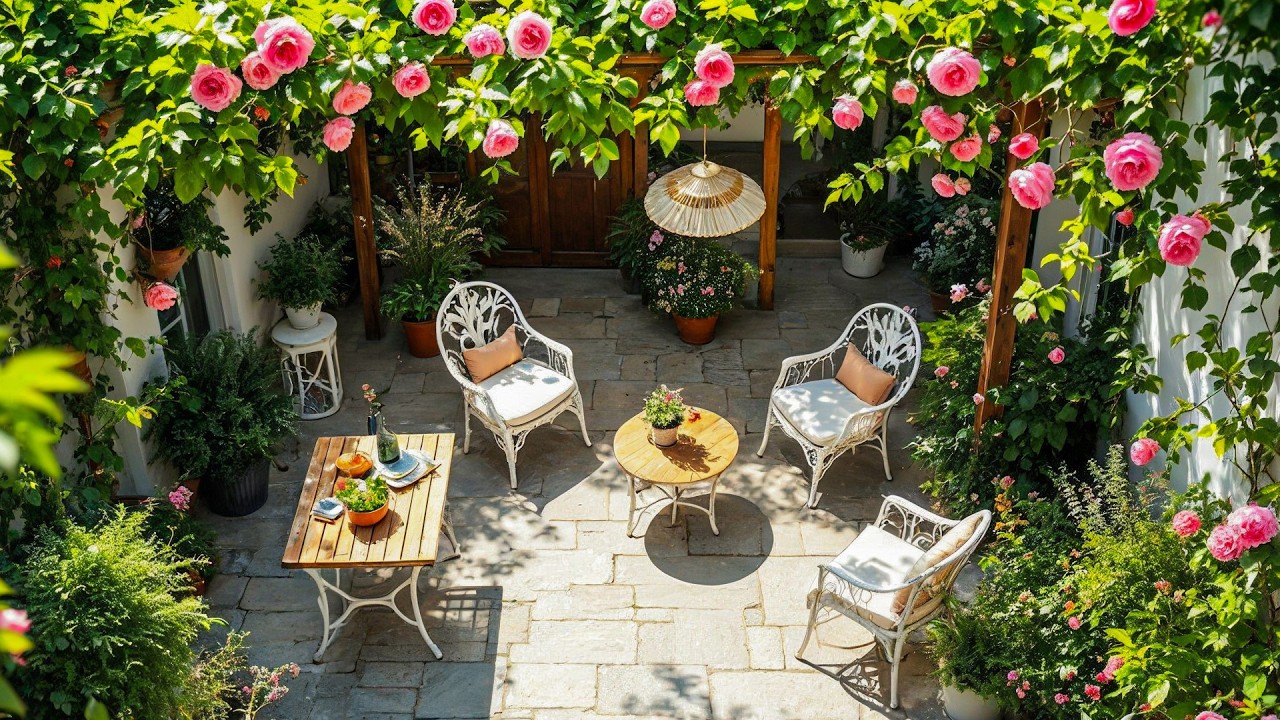
Many renters enjoy keeping plants, growing herbs, or even cultivating small vegetables — but whether this is allowed depends largely on the apartment complex’s rules, the lease agreement, and local regulations. While most landlords are fine with tenants having indoor plants, outdoor gardening on shared property or patios often requires additional permissions.
Indoor Plants Are Usually Allowed
Tenants can almost always keep indoor plants, including decorative flowers, herbs, and small potted fruits or vegetables. As long as the plants do not cause moisture damage, attract pests, or violate pet policies (some complexes ban toxic plants for pet safety), landlords rarely restrict indoor greenery.
Growing on Patios or Balconies Depends on the Lease
Outdoor areas like patios and balconies often fall into a “limited common area” category: the tenant may use them, but the landlord still controls what is permitted there. In cities like Los Angeles (ZIP 90026) or Seattle (ZIP 98103), many modern complexes restrict large planters due to water runoff, excess weight, or concerns about clutter affecting building appearance.
If gardening is allowed, the lease may specify:
- Maximum number or size of pots
- Weight limits for balconies
- No climbing or invasive plants
- No soil dumping or drainage that spills onto units below
Ground-Level Gardening: Usually Restricted
Common outdoor areas — courtyards, lawns, walkways, and shared green spaces — rarely allow tenants to plant directly in the ground. Landlords maintain these areas, and unapproved planting could interfere with landscaping plans or irrigation systems. This is common in suburban complexes in places like Dallas (ZIP 75206) or Phoenix.
Community Gardens: A Growing Trend
Some modern apartment communities offer designated community garden plots where tenants can grow vegetables, herbs, or flowers. These are regulated spaces with assigned beds, watering guidelines, and seasonal rules. Renters usually must register with the office to use them.
Fruits and Vegetables Can Trigger Additional Rules
Landlords may limit fruit- or vegetable-growing outdoors because edible plants can attract pests such as ants or rodents. Complexes in wetter regions like the Pacific Northwest are especially cautious about this due to mold and moisture risks.
HOA and Fire-Safety Restrictions
Some complexes are governed by homeowners' associations, which may ban certain outdoor plants for aesthetic consistency. Fire codes in states like California also limit dry vegetation or large wood planters on balconies.
Final Takeaway
Tenants can nearly always grow plants indoors, but outdoor gardening — especially on patios, balconies, or common areas — is regulated by the lease and property management. To avoid violations or fees, renters should review community guidelines and request written approval if they plan to maintain a larger outdoor garden.
.webp)

.webp)
Comments